
How to Join Esports: A Practical Guide for New Players
Learn how to enter esports as an adult player: choose a game, practise effectively, find beginner competitions, and plan for team and travel costs.

To join esports, choose a game with an active competitive community, learn its ranked format, and practise specific skills on a steady schedule. Then enter beginner-friendly online competitions or tryouts, review your results, and decide whether solo or team play suits you. Start with low-cost events and check the time, travel, and equipment demands before committing.
You do not need to be a professional player to begin competing. Local clubs, community tournaments, online leagues, and open qualifiers offer ways to learn how organized play works while you develop your game sense and meet potential teammates.
The most useful early goal is measurable progress, not a contract or a trophy. Build a routine you can keep alongside work or family, set a realistic budget, and treat each match as a chance to identify one skill to improve.
- Choose one game and learn its competitive rules before entering an event.
- Practise specific skills, review your matches, and build a routine you can sustain.
- Try beginner tournaments, community leagues, or team tryouts that fit your goals.
- Check the full time and travel commitment before spending on an in-person event.
What Joining Esports Actually Means
Start With Organized Play
Joining esports means taking part in structured competition, not simply playing a game often or reaching a high rank. Organized play can range from a casual community bracket to a league with scheduled matches, rules, and team roles. Beginners can enter at the level that matches their experience and available time.
- Choose one game you already enjoy and identify its organized formats.
- Read the rules and eligibility requirements before signing up.
- Play ranked or practice matches to learn the competitive basics.
- Enter a beginner event and review what you learned afterward.
Begin by checking how competition works in your chosen game: formats, eligibility rules, match schedules, and whether solo players can register. A ranked ladder can help you learn the mechanics, but tournament play also tests communication, composure, and adapting to opponents. Those demands make even a small community event useful practice.
Set a first goal you can verify, such as completing a beginner event or playing a full series without abandoning your role. If you are weighing an overseas event, checking dolar ve euro kurları can help you estimate travel costs in your home currency. Treat competition as a gradual commitment, not an instant career change.
Set Adult-Sized Expectations
Fit competition around your existing responsibilities before you make promises to a team. A league may require fixed match times, regular practice, and availability for substitutes, while a one-off tournament can be easier to schedule. Be candid about your limits so teammates can plan around your real availability.
Progress is rarely a straight climb, and a strong result in one event does not prove you are ready for a higher tier. Track a few controllable details, such as missed calls, positioning errors, or decisions made under pressure. Reviewing those patterns gives you a practical next step without letting rank define your entire ability.
Keep early commitments reversible where possible: try a short league, attend an open practice, or join a community event before agreeing to a demanding season. Protect sleep and work obligations rather than turning every evening into training. A sustainable pace gives you more chances to improve than a burst of practice that quickly becomes exhausting.
- Check match times against work and family commitments.
- Ask how often a team expects practice and attendance.
- Choose a first event with a manageable time commitment.
Choose a Game and Build a Practice Routine
Commit to One Competitive Game
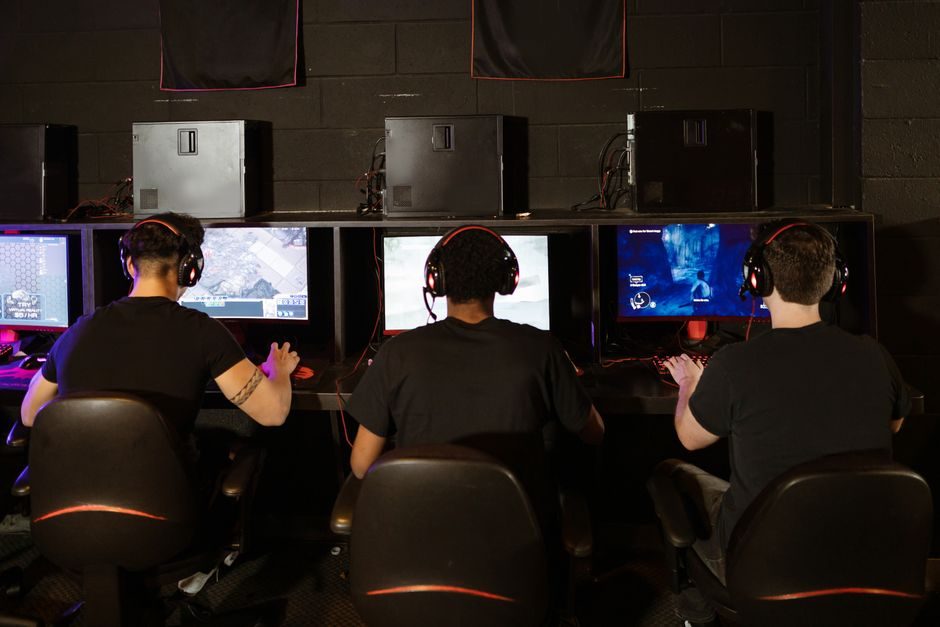
Choose a game you can enjoy practising repeatedly, then focus on its competitive mode instead of splitting your effort across several titles. Consider whether you prefer individual decision-making, coordinated team play, or a mix, and check that events are accessible in your region. A large audience alone does not make a game the right fit.
Learn the current rules and fundamentals from reliable in-game resources, tournament guides, and strong match replays. Pay attention to objectives, map control, character or role choices, and the conditions that win a round. Copying a high-level strategy without understanding why it works can leave you stuck when opponents respond differently.
Equipment should support consistent play, but upgrades cannot replace practice or sound decisions. When comparing equipment from international retailers, döviz kuru çevirme hesaplama can clarify the converted price before fees or shipping. First identify a real limitation, such as unreliable controls or poor audio, then research a replacement that fits your needs.
Practise With a Clear Purpose
Give each practice session one main objective, such as improving aim, learning a map rotation, or making clearer team calls. Warm up briefly, work on that skill in a suitable mode, and finish with matches where you apply it under pressure. A defined focus makes practice easier to assess than an evening of unfocused queues.
After a match, review a replay or write down a small number of decisions that changed the result. Note what information you had, what you chose, and what another option might have achieved. Avoid blaming every loss on teammates; even in team games, you can examine your positioning, timing, and communication.
Build a routine around the time you actually have, not an ideal schedule you cannot sustain. Short, attentive sessions can be more useful than long play when you are tired or distracted. Keep a simple log of the skill practised and one lesson from each session, then revisit it before your next competitive match.
- Choose one skill to work on before starting.
- Use a warm-up suited to the game and role.
- Review one or two decisive moments after matches.
- Record a lesson and carry it into the next session.
Find Your First Competitive Opportunities
Try Community Competitions
Look for beginner brackets, open online tournaments, campus or local gaming clubs, and community leagues for your chosen game. Read each event page carefully: eligibility, platform, region, check-in process, match format, and rules may differ. Choose an event that clearly welcomes newcomers rather than assuming every open entry is beginner-friendly.
Solo players can often register for individual events or use an organizer's matchmaking process to find temporary teammates. In team games, community servers and club groups can lead to practice partners, scrims, and roster openings. Introduce yourself with your role, availability, and competitive experience so others know what kind of commitment you can offer.
Treat your first event as a learning environment, even if you hope to win. Arrive on time, follow the organizer's instructions, communicate respectfully, and ask questions before a match rather than during one. Afterward, note what the format revealed about your preparation, teamwork, and ability to stay composed.
| Route | Best for | What to expect |
|---|---|---|
| Solo event | Flexible individual play | Open entry or individual bracket |
| Community league | Regular match experience | Scheduled games and shared rules |
| Club or team | Coordinated team practice | Tryouts, roles, and attendance expectations |
Choose a Team Path
If you want a roster, look for teammates whose goals and schedules match yours, not just players with impressive ranks. Ask about practice frequency, match expectations, roles, communication style, and how the group handles losses. A short trial period can show whether the team's habits work for you before anyone makes a longer commitment.
Keep a concise player profile with your game, preferred role, current competitive experience, available times, and any relevant event results. Be accurate rather than inflating your rank or promising availability you do not have. When trying out, listen to instructions, communicate clearly, and show that you can adjust after feedback.
Compare independent play, a casual roster, and a structured team before deciding where to invest your time. Independent events offer flexibility, while a team can provide coordination and regular practice but requires shared commitments. The best route is the one that helps you improve and remains compatible with the rest of your life.
- Independent events suit players who need flexible scheduling.
- Community teams provide practice partners and shared match experience.
- Structured rosters require reliable attendance and clear role expectations.
Before accepting an invitation to an in-person event, list the likely costs beyond the entry fee.
Budget for Travel and International Events
Estimate the Full Trip
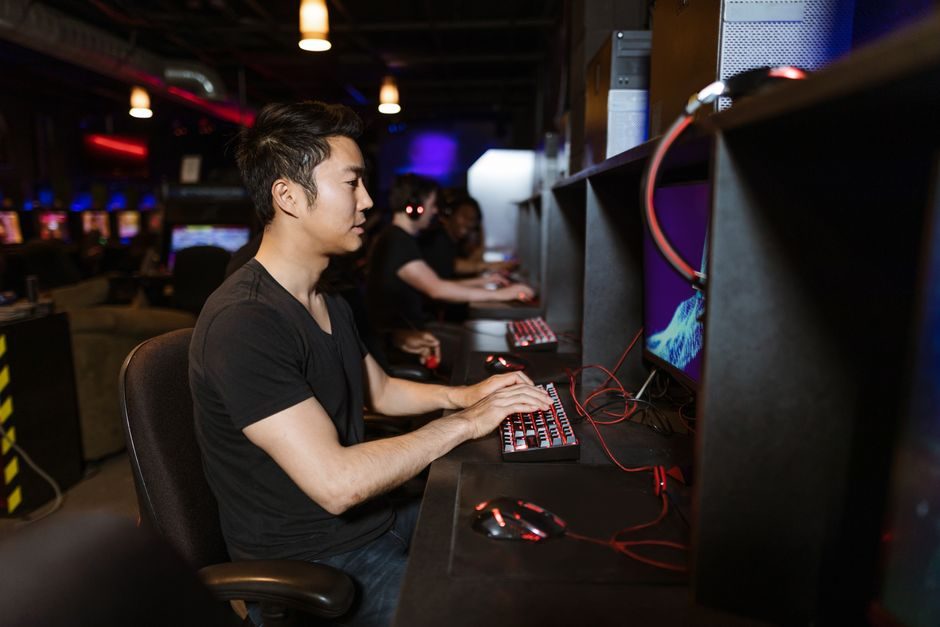
Before accepting an invitation to an in-person event, list the likely costs beyond the entry fee. Include transport, accommodation, meals, local travel, required equipment, and time away from work or other obligations. Confirm which expenses the organizer covers, if any, rather than assuming an invitation includes travel or lodging.
- ☐ Confirm event dates and required arrival times.
- ☐ List transport, lodging, food, and local travel needs.
- ☐ Verify what the organizer covers and what remains your responsibility.
- ☐ Check booking, cancellation, and equipment requirements before paying.
Check the event location, dates, arrival requirements, and refund rules before making a non-refundable booking. Leave room for delays and practical needs such as carrying a compatible controller or headset. If you are travelling with a team, agree in advance how shared costs will be handled and who is responsible for each booking.
Separate essential costs from optional upgrades, and decide what you can afford before committing. A remote qualifier may provide a useful competitive experience without travel, while an in-person event can add networking and live-stage demands. Compare the learning opportunity with the time and money required, especially if this is your first event.
Balance Costs and Commitment
An event can require more than a ticket and a few matches, so assess the full time commitment as well as the budget. Travel days, practice before the event, and recovery afterward may affect work and family plans. Discuss those demands early with anyone who shares responsibilities or expenses with you.
Keep a modest contingency for unexpected travel changes or equipment needs, and avoid borrowing money for an event whose value is uncertain. Ask the organizer clear questions about schedules, venue access, and what players should bring. If the answers are vague, pause before paying or making arrangements that are difficult to reverse.
For a first step into live competition, consider attending as a spectator or joining a nearby event before travelling farther. You can learn how check-in, match areas, and event pacing work without committing to a major trip. Choose the format that gives you useful experience while keeping the cost and disruption manageable.
- Set a personal spending limit before registering.
- Ask organizers about schedules, included costs, and required gear.
- Compare online, local, and destination events by commitment.
- Keep work and household plans in view before confirming travel.
Compare Gear Before You Buy
Prioritize Competitive Essentials
Buy gear to solve a specific problem you have observed in practice, not because a competitor recommends a particular setup. A reliable mouse, keyboard or controller, and headset are usually more useful than decorative upgrades. If your current equipment works consistently, keep it while you learn what actually limits your play.
- Mistake: buying expensive equipment before identifying a real limitation; better approach: test your current setup in practice first.
- Mistake: choosing gear only because a favorite player uses it; better approach: prioritize comfort and compatibility with your own game.
- Mistake: overlooking a faulty cable or connection; better approach: check basic reliability before replacing a device.
For a mouse or controller, prioritize reliable inputs and a comfortable grip over a long list of extra features. Try different shapes when possible, and check that buttons register consistently during the movements your game requires. A device that feels awkward after a short session may become a distraction during a longer match.
A headset should make team communication and important in-game sounds clear without causing discomfort. Test the microphone in a voice chat and check whether teammates can understand you over game audio. You do not need elaborate surround features to compete; dependable sound and a microphone that works are more practical starting points.
- Check input reliability in your game.
- Choose a comfortable fit for long sessions.
- Test your microphone with teammates.
- Keep working gear until you identify a need.
Check Performance And Fit
On PC, stable performance and a responsive display matter more than a setup that merely looks impressive. Check that your system can run your chosen game smoothly at the settings you actually use. If frames drop during busy moments, lower demanding settings and test again before deciding that a hardware purchase is necessary.
On console, confirm that your controller, display, and online connection behave reliably in the game’s competitive mode. A wired connection may help avoid wireless interruptions, but it cannot fix every network issue. Test your setup during ordinary play and note whether problems come from the console, the router, or the game service.
Comfort is part of performance because tension and fatigue make concentration harder to maintain. Adjust your chair, screen position, and controller or keyboard placement so your hands and shoulders can relax. Take breaks rather than trying to compensate for discomfort with new gear; persistent pain deserves attention, not a more aggressive practice schedule.
Understand Tournament Fees and Team Costs
Read The Full Entry Cost
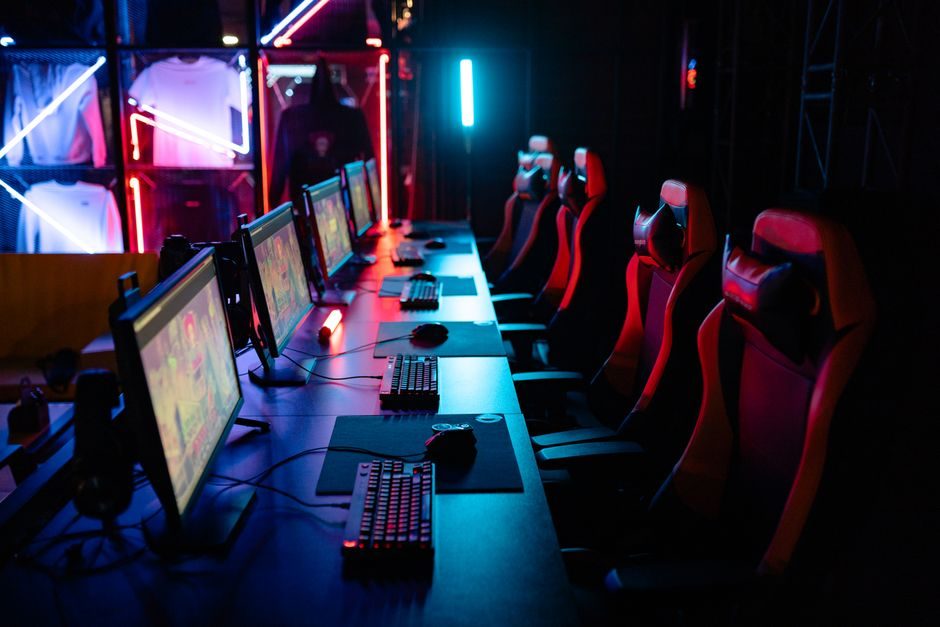
Before registering, check what the entry fee covers and what remains your responsibility. An event may charge a fee while leaving travel, accommodation, meals, or equipment costs to players. For an entry fee listed in dollars, checking dolar kaç TL oldu can help you estimate its cost in Turkish lira before committing.
Look beyond the headline fee for rules about refunds, payment deadlines, and what happens if a player or team withdraws. Confirm whether the organizer requires a separate account, a verified identity, or advance check-in. Save the event details and receipt so you can resolve a payment question without relying on memory.
Build a realistic budget that includes the costs you can predict, then leave room for unexpected changes. For an online event, consider any required game pass, platform subscription, or upgrade before paying. For an in-person event, include local transport and meals alongside the ticket, since small expenses can make a seemingly affordable trip harder to manage.
Agree On Team Contributions
Discuss how a team will split shared costs before anyone pays them. Agree whether players contribute equally to entry fees, server expenses, coaching, or travel, and decide how reimbursements will work. Written messages can prevent a misunderstanding later, especially when players live in different places or have different expectations.
Clarify who handles registration and what happens if a teammate cannot pay by the deadline. Do not assume a captain is personally covering expenses just because they completed the signup. If the group changes its lineup, confirm whether the event allows a substitute and whether the original payment can be transferred.
Keep competition spending within a limit that leaves room for ordinary responsibilities. A promising event is not a reason to borrow money or neglect bills, and no result is guaranteed. If the cost feels uncomfortable, choose a lower-cost online bracket or wait for another opportunity rather than turning a hobby into financial pressure.
- Agree on each player's share before registration.
- Confirm who pays and tracks the entry.
- Check substitute and withdrawal rules.
- Set a spending limit before committing.
Avoid Common New-Competitor Mistakes
Prepare Beyond Individual Skill
Treat event preparation as more than playing extra matches at the last minute. Read the rules, check the schedule, and confirm how players contact organizers if a lobby fails. A skilled player can still lose time or risk disqualification by missing check-in instructions or misunderstanding a match format.
Practice the game mode and settings the tournament will use, rather than assuming every bracket follows your usual ranked rules. Find out whether maps, characters, or sides are selected in a particular order. A short team review of these details helps everyone arrive with the same expectations and reduces avoidable confusion.
Keep practice focused on decisions your team can improve, such as communication, positioning, and adapting after a lost round. Repeating matches without discussing what went wrong can reinforce the same habits. After a session, identify one specific adjustment to test next time, then judge it by whether the team executes it more consistently.
Keep Team Communication Clear
Use short, useful callouts during play instead of talking continuously over teammates. Share information that changes a decision, such as an opponent’s position, a resource used, or the route your team should take. Agree on familiar names for locations before a match so that a callout does not need a lengthy explanation.
After a mistake, describe what happened without turning the review into blame. For example, identify that two players committed to different targets, then decide how to coordinate that choice next round. Personal criticism rarely gives a teammate a clear action to take, while a specific correction can be tested immediately.
Do not mistake one bad event for proof that you cannot compete, but do take repeated problems seriously. Review match recordings when available, and compare your decisions with the team’s agreed plan. If communication keeps breaking down, schedule a calm conversation outside the match instead of trying to settle it during a tense round.
- Use concise calls tied to decisions.
- Agree on location names before matches.
- Review actions rather than attacking teammates.
- Discuss recurring friction away from competition.
Build Habits That Support Long-Term Play

Protect Time And Recovery
Choose practice times that fit around work, family, sleep, and other commitments instead of treating every free hour as training time. A schedule you can maintain is more useful than an intense routine that quickly becomes exhausting. Tell teammates when you are reliably available, and avoid promising attendance you cannot sustain.
Plan breaks into longer sessions so your attention and physical comfort do not steadily decline. Stand, stretch gently, look away from the screen, and return when you are ready to focus. If you develop persistent pain, numbness, or significant discomfort, stop and seek appropriate professional guidance rather than pushing through it.
Track the quality of practice, not just the time spent in game. You might record a recurring positioning error or whether planned callouts happened under pressure. These simple notes make it easier to see progress and choose a useful focus for the next session, without turning every match into a test of personal worth.
- Set practice times you can keep consistently.
- Schedule breaks during longer sessions.
- Track one recurring skill or team goal.
- Protect sleep and non-gaming commitments.
Review Progress And Adjust
Use a regular review to decide whether your current competitive path still suits you. Consider whether you enjoy the game, learn from practice, and can meet the team’s schedule without unreasonable strain. If one of those pieces has changed, adjusting your role, event level, or practice frequency is a practical decision, not a failure.
Ask teammates for feedback on one clear topic, such as communication or decision-making during a specific situation. Give them time to explain what they observed, and compare their comments with your own experience. Feedback is easier to use when it points to an action you can test, rather than a vague judgment about talent.
Keep room for competition to remain enjoyable, especially when results are disappointing. Take a short break after a demanding event, then decide whether you want to review the matches or return to casual play. The best next step may be a new team, a different tournament format, or simply another week of steady practice.
Frequently asked questions
Do I need to be a top-ranked player before entering a tournament?No. Many competitions have divisions, open brackets, or community events that welcome players who are still improving. Look for an event that matches your experience and read its eligibility rules before signing up. A suitable first tournament can teach you how to manage pressure and follow event procedures, even if your team does not advance far.
Can I compete in esports as a solo player?Yes, depending on the game and event format. Some competitions use individual brackets, while team games may offer player-finding channels or open tryouts. If you are seeking a team, share your role, availability, and experience honestly, and ask about practice expectations before agreeing to join. Confirm that everyone understands the team’s goals.
How can I tell whether an online tournament is legitimate?Check that the organizer provides accessible rules, a clear schedule, a way to contact staff, and specific payment and refund terms. Look for consistent event information across the organizer’s official channels, and avoid sending money through an unexplained personal request. If rules or fees remain unclear after asking, choose another event rather than taking an unnecessary risk.
What should I do if my team’s schedule stops working?Tell the team early and explain which times you can reliably attend. Review whether the group can adjust practice, use a substitute, or choose events with fewer scheduling demands. If the conflict is ongoing, leave respectfully and give teammates time to replace you. A clear conversation is better than repeatedly missing sessions without warning.
Make Your First Competitive Step
A good start in esports comes from matching your ambition to a game, team, and event you can realistically support. Build skill through focused practice, check tournament rules before paying, and buy equipment only when it solves a real problem. Clear communication and a sustainable schedule matter as much as individual mechanics, especially once competition involves teammates and commitments.
Choose one practical next step: review the rules for an upcoming beginner-friendly event, ask a potential team about its expectations, or set a repeatable practice plan for the game you want to enter. Write down the time and cost involved before you commit. That small check makes it easier to compete with confidence while keeping gaming in balance with the rest of your life.
Add Adult Gamer as a preferred source on Google


