
How to Become an Esports Gamer: Skills, Practice and Trials
Learn how to enter esports: choose a competitive game, build focused practice, find teams and trials, measure progress, and protect sustainable habits.

To become an esports gamer, choose a game with an active competitive scene, learn its rules and formats, then practise deliberately and test yourself in organized matches. Review your play, seek teammates or open trials when your fundamentals are reliable, and treat results as feedback rather than proof of your potential. Build in rest and keep school, work, and health in view.
Esports is not one route or one skill set. A player aiming for a team-based shooter needs communication and role discipline, while a fighting-game competitor may focus on matchups, execution, and local brackets. Understanding what your chosen game rewards helps you spend practice time where it can make a difference.
Progress usually comes through small, repeatable steps: learning the scene, setting focused goals, reviewing mistakes, and playing against stronger opponents. The guide below explains how to assess your starting point and move toward organized competition without mistaking long hours or a short winning streak for readiness.
- Choose a game whose mechanics and competitive scene suit your interests and practical access.
- Practise with one clear target, review specific match moments, and use feedback to guide the next session.
- Try organized events and team opportunities when your fundamentals and schedule are ready.
- Measure controllable skills, protect recovery, and treat wins and losses as only part of your progress.
What It Means to Compete in Esports
From Ranked Play to Organized Matches
Esports means competing in video games through organized matches, leagues, tournaments, or team play; it is more structured than simply reaching a high ranked tier. Formats vary by game, from one-on-one brackets to coordinated squads, and each brings rules, schedules, and expectations. A strong ladder result can help show ability, but it is only one piece of evidence.
- Treating a high rank as automatic proof of tournament readiness; test yourself in the event format you want to play.
- Ignoring rules and check-in details; read the event information before entering.
- Playing every match on instinct; review decisions and identify one improvement target.
Start by learning the difference between public matchmaking and the events you hope to enter. A community tournament may use fixed maps, match settings, eligibility rules, or check-in times that ranked games never require. Reading those details early lets you practise the actual demands of competition rather than assuming your usual online routine will transfer unchanged.
Competition also involves people beyond the player: teammates, opponents, organizers, and sometimes an audience. Clear communication, reliable attendance, and calm conduct matter because they affect whether others can count on you. For a tournament with genuine news value, organizers may compare options for cheap press release distribution before choosing how to announce it.
Understand the Player Commitment
Organized play asks for consistency as well as skill. Teams may expect you to attend scheduled practice, communicate between rounds, and prepare for opponents, while solo competitors still need to manage registration and match times. Before committing, compare those demands with your work, study, caregiving, and other responsibilities so the schedule remains realistic.
The time investment is not just hours spent in a game. Players may need to review replays, learn patches, coordinate with teammates, and travel to in-person events where relevant. Decide which activities support your goal, then set a sustainable weekly routine rather than copying the workload of a full-time professional.
Esports can be competitive without becoming your job or identity. Amateur leagues, local events, and online cups offer ways to learn under pressure while keeping other priorities intact. Define what success means for you—such as finishing a bracket, improving a role, or earning a trial—so that one disappointing result does not erase useful progress.
- Check event rules and eligibility before registering.
- Confirm that match times fit your existing commitments.
- Choose a near-term goal you can assess.
Choose a Game and Learn Its Competitive Scene
Match the Game to Your Strengths
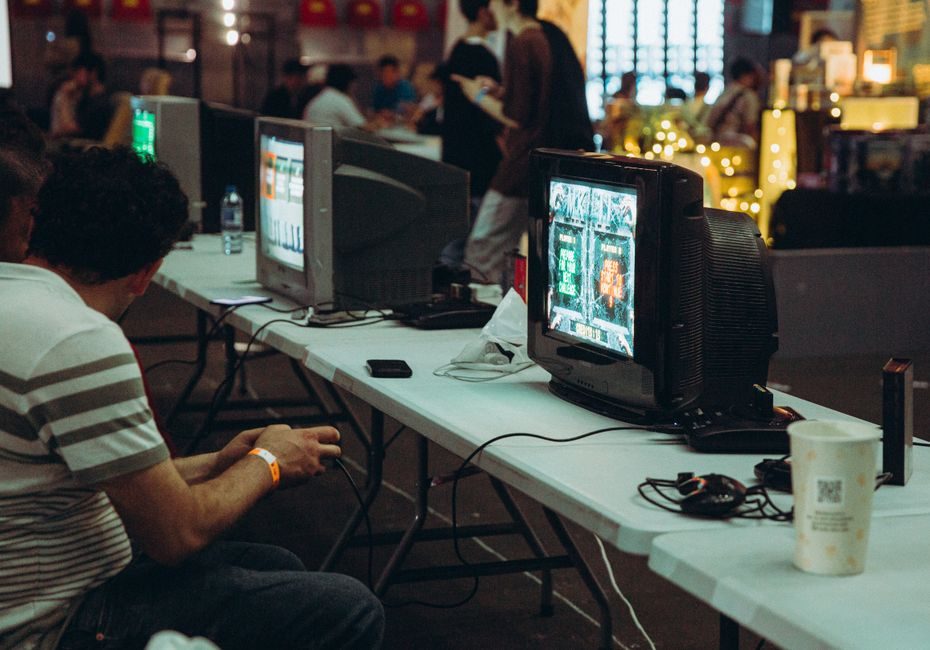
Choose a game you can enjoy studying, not only one that looks prestigious or popular. Competitive titles reward different strengths: a fighting game tests execution and matchup knowledge, while a team shooter also demands positioning, communication, and coordinated decisions. Try several formats, then notice which mechanics and practice tasks hold your attention over time.
Before settling in, check whether the game has active events at a level you can enter. Look for current tournament listings, community brackets, league rules, and recent match footage rather than relying on old reputation. An esports agency serving multiple teams may find white label press release distribution useful when providing announcements under its own brand.
Consider practical access too: the platform you own, connection quality, available practice partners, and whether the game supports the modes used in competition. If events are team-based, ask whether you can find players in compatible time zones and with similar goals. A reachable scene gives you more chances to learn than a distant top-level circuit alone.
- Choose mechanics you enjoy learning repeatedly.
- Check for events suited to your current level.
- Confirm platform, connection, and practice-partner access.
Map the Local Competition
Once you have a candidate game, find where its players compete. Search official game channels, community servers, local gaming groups, and tournament platforms for brackets, scrims, and league announcements. Check dates and recent activity, since an old event page or inactive group may not offer a practical route into matches.
Watch competitors at a level just above yours, not only elite finals. Notice how they manage objectives, control space, communicate, or adapt between rounds, then compare those habits with your own gameplay. If the commentary uses unfamiliar terms, look them up and write down how each concept appears in a real match.
Make a simple route from practice to competition: a beginner-friendly event, then stronger brackets or team trials as your performance improves. Ask organizers or experienced players concise questions about rules and entry requirements, and respect community standards. A welcoming scene can help you find practice partners, but you remain responsible for verifying each event's details.
Build a Practice Routine That Improves Performance
Give Each Session a Purpose
A useful practice session has one main target, such as improving aim under pressure, learning a matchup, or making better decisions around objectives. Set the target before opening the game, then choose a drill or match mode that lets you work on it. Teams that want more coverage of their events may look into a guest posting service, while keeping competitive practice as the priority.
- Set one main practice target before starting.
- Use drills for isolated mechanics and matches for applying them.
- Record a specific observation that can guide the next session.
Separate focused drills from full matches because they develop different skills. A short mechanics exercise can isolate execution, while scrims reveal whether you can apply it amid pressure, communication, and changing situations. Keep the exercise relevant to your game and stop when fatigue makes your inputs or decisions noticeably less reliable.
End by recording what you practised and what happened, using plain observations rather than vague judgments. For example, note that you repeatedly lost control of a key area after using a defensive ability too early. That detail suggests a next-session target; writing “I played badly” offers no clear action and can make improvement feel out of reach.
| Method | Best for | How to use it |
|---|---|---|
| Focused drill | Isolated mechanics | Repeat a relevant skill |
| Scrim or match | Applying skills under pressure | Practise decisions and teamwork |
| Replay review | Finding decision patterns | Study pivotal moments |
| Break and recovery | Restoring concentration | Return when focused |
Review Matches and Protect Recovery
Reviewing a replay turns a loss into evidence you can use. Pause at a pivotal moment and ask what information you had, what options were available, and why you chose one; then compare that decision with what happened next. Look for patterns across several matches instead of rebuilding your strategy around one unusual outcome.
If you play on a team, make review specific and respectful. Discuss the shared decision or timing problem first, then agree on a practice adjustment, rather than assigning blame to one teammate. Solo players can use the same method by tracking recurring errors and testing a single change in later matches.
Recovery supports learning because tired players often repeat mistakes without noticing them. Take breaks between demanding blocks, keep a regular sleep routine where possible, and stop when frustration is making you queue impulsively. Consistency comes from returning ready to learn, not from extending a session after concentration has gone.
- Review pivotal moments, not every second of a replay.
- Look for recurring patterns across matches.
- Pause when fatigue or frustration undermines focus.
Track behaviors that you can influence directly, because match results depend on opponents, teammates, and circumstances as well as your play.
Track Progress Beyond Wins and Losses
Measure Skills You Can Control
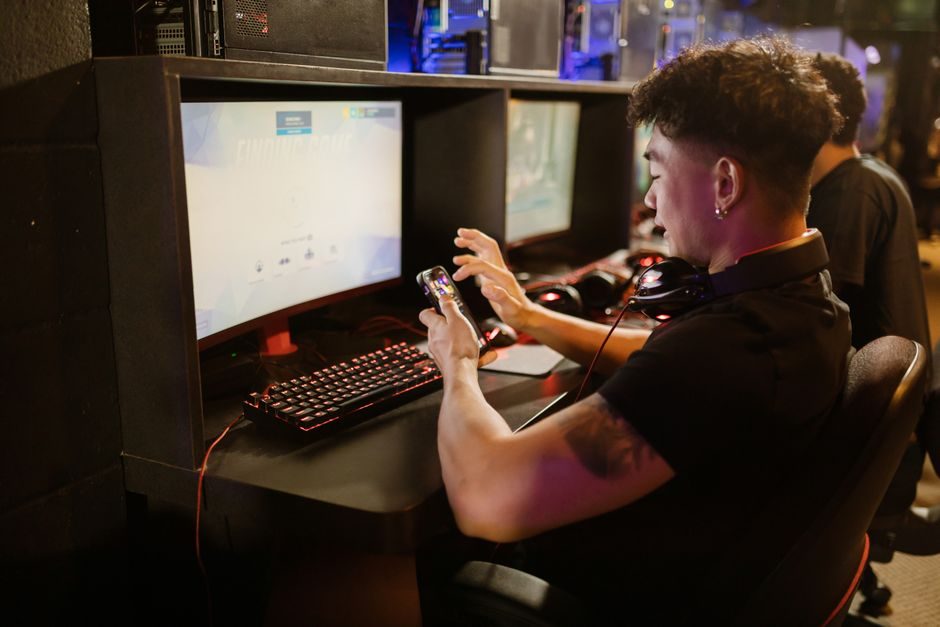
Track behaviors that you can influence directly, because match results depend on opponents, teammates, and circumstances as well as your play. Depending on the game, useful measures might include objective decisions, positioning errors, communication, or execution under pressure. Choose a small set you can observe consistently, and avoid collecting data that does not change what you practise.
Pair each measure with a concrete example from a match. Instead of writing that your positioning was poor, note where you stood, what threat you missed, and what safer option was available. Specific notes make it easier to test a correction in the next session and to tell whether the same problem is still occurring.
Review your notes over time, but interpret them in context. A new strategy may temporarily lower your results while you learn, and a few easy wins may conceal habits that stronger opponents will punish. Use trends to choose the next skill to work on, then check whether the change holds up in matches against varied opponents.
- Track a few observable skills relevant to your game.
- Attach each note to a specific match moment.
- Use patterns to choose the next practice target.
Use Feedback to Choose Next Steps
Ask for feedback from people who understand your game and can point to a specific moment. A teammate might notice that your callouts arrive too late, while a stronger player may identify a repeated matchup mistake. Invite clear criticism, ask for an example, and decide whether the advice fits the evidence in your own matches.
Use progress to decide when to seek tougher competition. If you can perform your role reliably, understand event rules, and contribute constructively in scrims, try a stronger bracket or team trial. If you struggle with the basics under pressure, return to focused practice rather than treating a higher-level entry as the only sign of ambition.
Keep a record of goals, practice observations, and event experiences that is easy to revisit. After each tournament, note what preparation helped, which decisions broke down, and what you want to test next. This creates a practical development path and helps you judge whether your current game, team, and schedule still suit your aims.
Find Teams, Scrims and Open Tryouts
Where Teams Recruit
Start looking where players in your game already organize: official competitive servers, tournament platforms, community forums, and team recruitment channels. Read the rules and recent posts before introducing yourself, since some groups seek substitutes while others are assembling a full roster. A focused search in the right community is more useful than posting the same message everywhere.
Prepare a short player profile before contacting a team. Include your main role, preferred game mode, availability, competitive experience, and a replay or match history that shows how you play. Be honest about your current level; a clear account of your strengths and improvement goals gives a captain more useful information than an inflated rank claim.
Treat your first message as a professional introduction, not a sales pitch. Mention why the team’s level or schedule interests you, and ask whether it is recruiting or running open practice. If you receive no reply, move on politely rather than sending repeated messages; teams may be busy, inactive, or already have enough players.
Making Tryouts Count
Before a tryout, confirm the format, expected role, voice-chat setup, and start time so you can arrive prepared. Warm up with a short routine you know well rather than experimenting with new settings. Check your connection and audio, then join early enough to resolve simple technical problems without disrupting the session.
During play, communicate information that helps teammates act: enemy positions, cooldowns, objective timing, and your own intentions. Keep callouts brief and respond calmly when a round goes badly. Coaches and captains are assessing decision-making and teamwork as well as mechanics, so a composed reset can leave a stronger impression than an unnecessary explanation.
Afterward, ask for one or two specific areas to improve and thank the organizers for the opportunity. If you are not selected, use any feedback to guide your next practice block, while remembering that roster fit and availability can decide a tryout. Keep a record of contacts and follow-up dates so you can manage opportunities without chasing people.
Build a Team Presence Beyond Ranked Play
Make Roles Visible
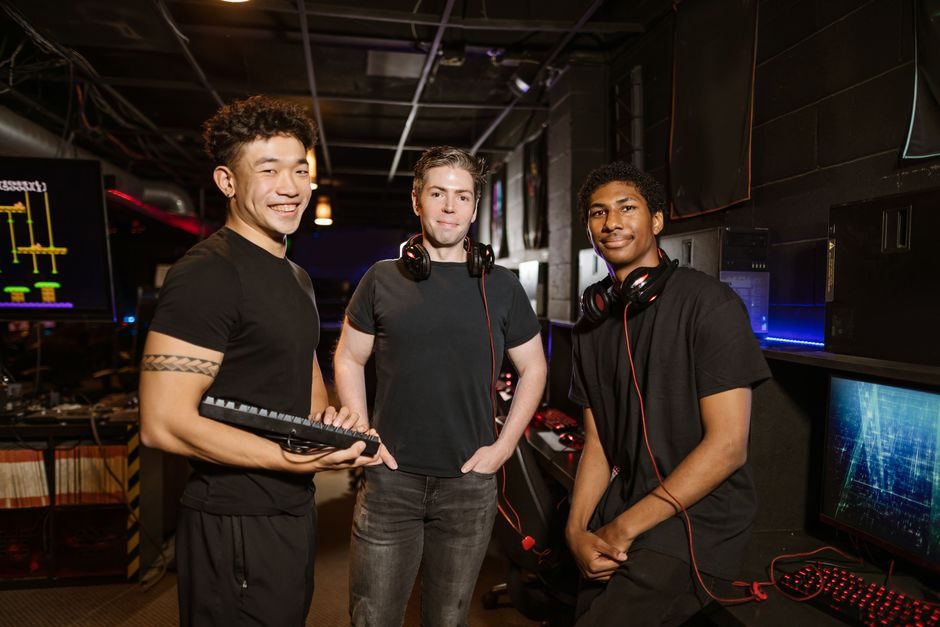
A team’s public profile should quickly tell players, organizers, and potential supporters what it competes in and how to make contact. Keep the game, roster roles, current recruitment status, and preferred contact method consistent across the team’s main channels. Players helping represent a roster may use a marketing agency directory to find specialist support for its public profile.
- Choose one person to maintain the team’s public contact details.
- Write a concise description of the game, roster, and competitive level.
- Use the same team name and core information across channels.
- Review public posts before sharing roster or event announcements.
Agree on a simple voice and visual style before several teammates start posting independently. That does not require a costly design package; consistent names, readable graphics, and clear wording are enough to help people recognize official team updates. Identify who can speak for the roster, especially when announcing trials, roster changes, or tournament commitments.
Share evidence of the team’s activity without making every post a victory claim. A short match recap, a practice clip with useful context, or a player introduction can show how the roster works. Get permission before posting another player’s image, voice, or personal details, and remove outdated recruitment notices when the position has been filled.
Keep Communication Reliable
Set expectations for availability, practice attendance, and replies before the team’s schedule becomes busy. A shared calendar and one agreed channel for urgent changes reduce missed scrims and confusion about event times. Make sure every player knows who should be notified when work, family responsibilities, or technical problems affect a commitment.
Use disagreement to clarify decisions rather than assign blame. After a match, discuss a specific round or choice, let each player explain their view, and agree on what to test next time. If a conversation becomes personal, pause it and return when the team can focus on behavior and tactics instead of attacking someone’s character.
A consistent presence also means protecting players’ boundaries. Avoid promising results, sponsorships, or availability on behalf of teammates unless they have agreed, and do not pressure anyone to disclose private information. When a player leaves, update public roster information promptly and keep the announcement factual, respectful, and limited to details everyone approved.
Share Tournament News Without Losing Focus
Choose What to Publish
Publish updates that help your audience follow the team: registration news, match schedules, results, and changes that affect supporters or players. Confirm event details with the organizer before posting, especially when brackets or start times may change. A team looking for publishing or outreach help can review MediaKit.uk as one possible resource.
Give every announcement a clear purpose and the information readers need to act. A match notice should state the event, opponent when confirmed, time zone, and where official updates will appear. A result post can add one useful detail about the match, such as a turning point, rather than presenting a bare score without context.
Decide who checks posts and how quickly corrections will be made. If a bracket changes, update the original notice where possible and publish a correction through the same channel. Do not share private scrim details, unreleased roster information, or another player’s personal news just because it might attract attention.
Protect Practice Time
Assign communication tasks around the team’s training schedule instead of letting posting interrupt practice. One player or manager can prepare routine updates in advance, leaving competitors free to review strategies and play. Set a short window for checking messages, and mute nonessential notifications during scrims or focused individual work.
Separate useful audience feedback from distractions. Questions about match times or roster changes may need an answer, while arguments about a single play rarely improve preparation. Agree on who responds to public criticism and when to stop replying, so one heated exchange does not consume a team’s recovery time.
Review the effort behind each channel and keep only the work the roster can sustain. If updates are regularly late or practice is suffering, reduce their frequency and prioritize accurate information. A small number of dependable posts is more useful to followers than a constant stream that players cannot maintain through a long competitive season.
Avoid Common Career and Training Pitfalls

Watch for Bad Shortcuts
Do not treat a high rank as proof that every competitive skill is ready. Ranked matches can build mechanics and decision-making, but team play also tests communication, role discipline, preparation, and response to coaching. Organizers promoting a team or tournament may consider whether they want to buy guest posts online, but outreach cannot substitute for a credible event and clear information.
- ☐ Check claims before paying for competitive opportunities.
- ☐ Keep account credentials private.
- ☐ Set practice hours around work, study, and rest.
- ☐ Review whether each training block has a clear purpose.
Be cautious of anyone promising guaranteed team placement, tournament success, or rapid career progress in exchange for money or personal access. Ask what a service actually provides, check its terms, and discuss significant commitments with someone you trust. Never share account credentials or sensitive personal information to prove that you are serious about competing.
Avoid copying a professional player’s schedule without considering your own health and responsibilities. Their training conditions, support, and workload may differ from yours, and more hours do not automatically produce better practice. Set a realistic routine, include recovery, and review whether your sessions are improving a specific skill rather than simply adding time online.
Protect Long-Term Improvement
Plan breaks before fatigue starts harming your decisions. Step away between demanding sessions, eat and drink regularly, and stop when pain or persistent discomfort appears rather than playing through it. Adjust your desk, chair, and screen position so you can maintain a comfortable posture, and seek appropriate medical advice for ongoing symptoms.
Make room for a life beyond the game, particularly when competition begins to affect sleep, work, study, finances, or relationships. Agree with yourself on limits for spending and practice time, then tell teammates what you can reliably commit to. A sustainable schedule helps you remain available and focused instead of burning out after a short burst.
Review progress in practical terms, such as whether you communicate more clearly, make fewer repeated mistakes, or handle pressure better. If improvement stalls, change one part of the routine and give it enough sessions to evaluate, rather than rebuilding everything at once. Ask a trusted teammate or coach for focused feedback, and keep the next goal small enough to act on.
Frequently asked questions
Can I start competing while working or studying full time?Yes. Begin with a schedule that fits around existing commitments, such as regular team practice on selected evenings and occasional online events. Tell teammates your availability before joining a roster, and avoid promising time you cannot reliably give. If competition starts affecting sleep, work, study, or relationships, reduce the workload and reassess what level of play is sustainable.
Do I need expensive equipment to join a team?Not necessarily. Use equipment that runs your game reliably and lets you communicate clearly, then identify specific limitations through actual practice. A stable connection, working headset, and comfortable setup may matter more at first than premium accessories. Before buying upgrades, ask teammates what problems they notice and prioritize the one change that addresses a real performance issue.
How can I tell whether a tryout is legitimate?Check that the team has a consistent public presence, identifiable organizers, clear expectations, and a sensible explanation of what the tryout involves. Ask about the schedule and whether any fee or commitment applies before agreeing. Be wary of guaranteed success claims, pressure to act immediately, requests for account credentials, or demands for personal information unrelated to competitive play.
What should I do if I keep losing after joining a team?Review the quality of your decisions and communication rather than judging progress only by the result. Choose one recurring problem, such as late rotations or unclear callouts, and agree with teammates on a specific adjustment to test. Ask for concrete feedback after matches, then revisit the same situation in practice. If roles or expectations remain unclear, discuss them directly with the captain.
Turn Competitive Interest Into a Sustainable Plan
Moving toward esports is a process of finding the right competitive setting, becoming dependable in a team, and improving through focused practice. Tryouts offer a chance to show communication and coachability alongside mechanics, while public responsibilities should remain clear and manageable. Treat setbacks as information, protect your health and time, and be cautious of anyone selling guaranteed shortcuts.
Choose one next step you can complete this week: identify an active community for your game, prepare a concise player profile, or contact a team whose schedule suits yours. Then make a practical practice plan around that step and review what you learn. Consistent, honest effort will give you a clearer route toward organized competition than waiting for a perfect opportunity.
Add Adult Gamer as a preferred source on Google


