
Tech-Savvy Guide to Funeral Notices in London: Practical Steps
A practical, checklist-style guide for adultgamer.net readers on finding and using funeral notices in London, with tech angles, safety tips, and clear steps.

For adult gamers who value clear, fast information, this guide explains how to handle funeral notices in London with a practical, tech-aware approach. You’ll learn where notices appear, how to verify details online, and what to expect when contacting service providers. The aim is to give you a straightforward checklist you can apply right away on any device.
The guide keeps technology at the center: how to search efficiently, how to protect privacy, and how to compare options without falling into traps. You’ll find concrete steps for finding legitimate notices, cross-checking information, and saving important dates. Treat this as a practical tool, not a theory, that you can reuse in future digital tasks.
This article is structured as a practical, 8-part checklist that builds from basics to advanced options, highlighting common pitfalls and clear tips to stay safe online while accessing London funeral notices.
- This guide shows how to find and verify funeral notices in London using practical tech steps.
- It covers locating notices, verifying data, and choosing reliable sources.
- Readers gain a clear, repeatable process to handle sensitive local notices online.
- The last sections offer safety-minded tips and efficient workflows for busy users.
Foundations: locating notices
Where notices appear online
Start with official local council pages and major funeral home sites to ensure accuracy. Look for dates, service times, and contact details that match public records. Avoid third-party aggregators that copy listings without verification. funeral notices in London are often listed on official pages that you should verify before acting.
Ensure notices come from credible sources
Cross-check with address details
Note publishing time and last update
Watch for duplicate listings
Understanding the notice format
Notices typically include the deceased’s name, ceremony details, and an RSVP method. Some sites provide a brief obituary or a link to further information. Compare formats to identify legitimate notices quickly rather than reading each page in depth.
How to verify online

Match data with public records
Use official registers and verified portals to confirm identity and dates. If you see discrepancies, pause and investigate rather than acting on gut instinct. Verification reduces the risk of following inaccurate notices. Criticize UK news should be evaluated for bias and accuracy when using it to cross-check notices.
- Check against council records
- Look for a consistent obituary
- Verify the hosting site’s domain
Security when contacting services
When you reach out, use official contact details from the notice source. Avoid sharing unnecessary personal data through unstable channels. Prefer email or official contact forms to keep a traceable record.
- Use verified contact forms
- Do not click suspicious links
- Keep a copy of your inquiry
Options for researchers
Choosing a reliable source
Rely on established local outlets and municipal sites when possible. They tend to have standardized formats and clearer provenance. For niche listings, triangulate with multiple reputable sources to confirm legitimacy. publish local events in London can be a useful companion resource if you’re planning attendance or coverage.
- Identify the primary source for each notice.
- Discard listings with vague authorship or missing links
- Prefer official sites
- Cross-check with multiple sources
- Note any paywalls or access limits
| Method | Pros | Cons |
|---|---|---|
| Official sites | Reliable provenance | Possible slower updates |
| News outlets | Trusted editors | Paywalls may limit access |
| Local directories | Centralized listings | Inconsistent quality |
Alternative formats to watch
Some notices appear as PDFs, feeds, or calendar imports. These formats can be handy for keeping track of dates in your calendar. Be wary of auto-downloading attachments from untrusted sites and scan for malware before opening.
- Download from trusted domains
- Open attachments in a sandbox
- Save to calendar apps for reminders
Treat names and dates with care, especially when sharing links or copies.
Pitfalls and privacy
Common online traps
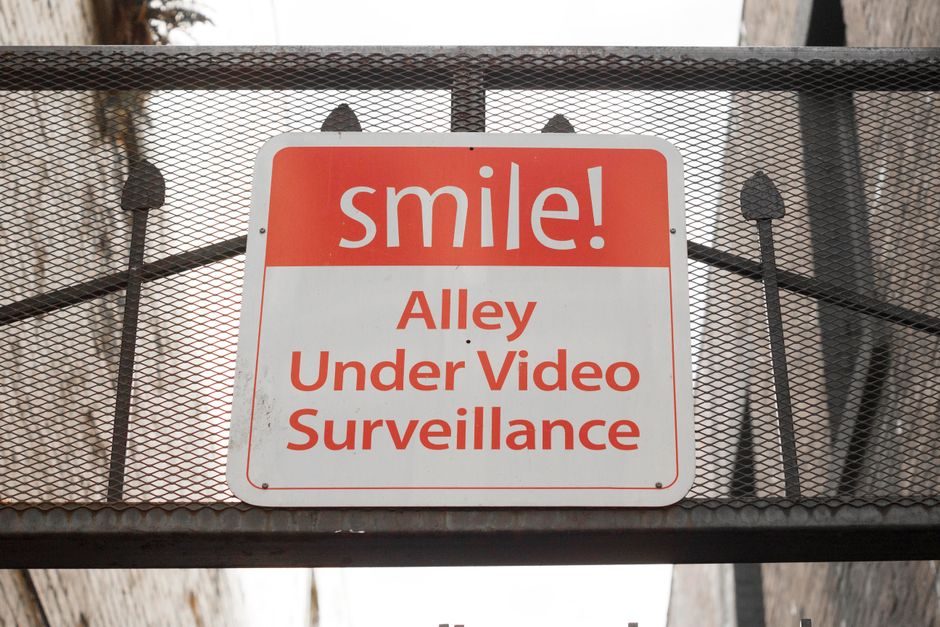
Beware of sites that require unnecessary account creation. Ads and trackers can exploit sensitive search intents. Stick to sources that respect privacy and clearly state their data practices. add your business to the London business directory helps extend your network for reliable notices and services.
- Avoid excessive data sharing
- Ignore suspicious popups
- Use private browsing when searching sensitive notices
Handling sensitive information
Funeral notices touch on personal data. Treat names and dates with care, especially when sharing links or copies. If you’re compiling a dossier or index, keep notes in a secure document and restrict access.
- Store locally with encryption
- Share only with authorized people
- Delete temporary copies after use
Advanced tracking
Enhanced record monitoring
Start with persistent notice sources and set up alerts for new postings. This avoids missed entries and keeps you ahead in the search process. Compare dates across sites to confirm updates and prevent duplicates. London classified ads
- Identify primary notification channels for London notices
- Establish a routine to review new entries daily
- Document when and how each item was checked
Set up automated checks that scan multiple databases daily. This reduces manual effort and helps you spot small, timely changes. Use filters like location and service type to narrow results.
Cross-verify findings by sampling a second source for each listing you intend to use. This protects against incomplete or erroneous entries and strengthens your research trail.
- Use the same keywords across platforms
- Record timestamps and links
- Flag inconsistencies for review
Legal and ethical

Access rights and privacy
Understand what information is publicly available and what is restricted. Respect privacy rules when recording sensitive data. Document the source of each entry to maintain accountability.
Be careful about sharing personal details beyond what is necessary for verification. Anonymize data when possible to prevent misuse. Keep a minimal footprint while gathering official notices.
Consult local regulations or an advisor if you encounter restricted data or paywall barriers. This helps you stay compliant and reduces risk of inadvertent leakage.
- Avoid collecting financial or medical details
- Do not publish sensitive identifiers
- Seek consent where required
Automation options
Batch processing workflows
Create a repeatable workflow that pulls notices from multiple feeds. This makes your process scalable and less prone to human error. Track each run with a simple log.
Map fields from different sources to a common schema so you can compare entries quickly. Standardization helps you spot duplicates and gaps.
Test the workflow with a small batch before full deployment to catch issues early. Documentation of failures speeds debugging and keeps readers informed about reliability.
- Define source priorities
- Use a unified data model
- Regularly audit automated results
Quick-reference checks

Two-minute verification routine
Develop a fast checklist that covers source credibility, date accuracy, and location consistency. This minimizes wasted time when reviewing each listing.
- Review source credibility
- Validate date and location
- Note any inconsistencies
Cross-check the listing against at least one official page or archive to confirm legitimacy. Quick verification builds reader trust and reduces errors.
Log any red flags or discrepancies for follow-up, then decide whether to discard or flag for deeper review. This keeps your workflow efficient and disciplined.
- Credibility test
- Date consistency
- Document discrepancies
Frequently asked questions
How often should I recheck notices to stay current?Set a periodic cadence, such as weekly checks for ongoing updates. If you rely on notices for research, a routine refresh helps you catch corrections or new postings without overhauling your workflow.
Is it safe to share notices with colleagues?Share only what is necessary for verification and keep sensitive details private. Use redacted copies where possible and maintain a clear log of what you distributed and to whom.
What should I do if a notice seems suspicious?Mark it for deeper review, compare it to official registries, and document any inconsistencies. Do not publish until you have corroboration from credible sources.
Can automation compensate for missing details?Automation helps organize and surface data, but it cannot replace careful human verification. Use it to speed triage and then verify with primary sources.
Final takeaways
Begin with reliable sources and a consistent verification routine to keep London funeral notices accurate and useful for readers.
Adopt a scalable workflow that combines automation with human review, and maintain clear records for every entry you publish.
Add Adult Gamer as a preferred source on Google


