
Tech guide to events and sorties in France for adultgamer readers
A practical, device- and software‑focused guide for understanding French events and sorties relevant to tech enthusiasts, with concrete steps and cautions.

AdultGamer readers often want timely, actionable information about technology events and sorties in France. This guide cuts to the core: what to expect, how to prepare, and how to participate with minimal friction.
You will learn practical steps to plan, verify details, and select events that align with your tech interests, including software upgrades, cyber seminars, and gadget showcases.
By the end, you’ll have a clear path to attend or follow French tech happenings, plus tips to avoid common mistakes and maximize value.
- Understand what a sortie means for tech events in France and how to plan travel and registration.
- Use apps and offline copies to stay organized and safe on site.
- Evaluate event formats for value, while avoiding common missteps and fatigue.
- Keep data privacy in mind and be prepared with backups for crucial information.
Basics to understand
What counts as a sortie
A sortie refers to an organized trip or mission, often tied to a tech event or demonstration. For readers, it means planning travel, registration, and on-site activities efficiently. sorties et événements en France
Identify the core need first: is this about a conference pass, a hands-on workshop, or a product launch? That choice shapes what to bring and how to budget time.
In practice, expect schedules to include talks, demos, and networking slots. Align your goals with the event format to avoid missing the most relevant sessions.
- Check the event’s official site for schedule blocks
- Prioritize sessions that offer hands-on demos
- Set travel and accommodation buffers
- Note registration deadlines and capacity limits
Tech basics for attendees
A good attendee starts with a quick tech inventory: phone, charger, backup battery, and a compact notebook for notes. Bring a universal adapter if traveling from outside France to avoid missing out on sessions due to dead devices.
Know the venue layout and app options; many events use a single sign-on and a digital program that updates in real time. A small plan B helps if a talk is moved or canceled.
Finally, protect your data by using a secure Wi‑Fi method and avoiding public networks for sensitive work while you’re away.
- Carry a portable charger
- Install the official app or PDF program
- Have offline copies of essential resources
- Use VPN when on public networks
Planning your route
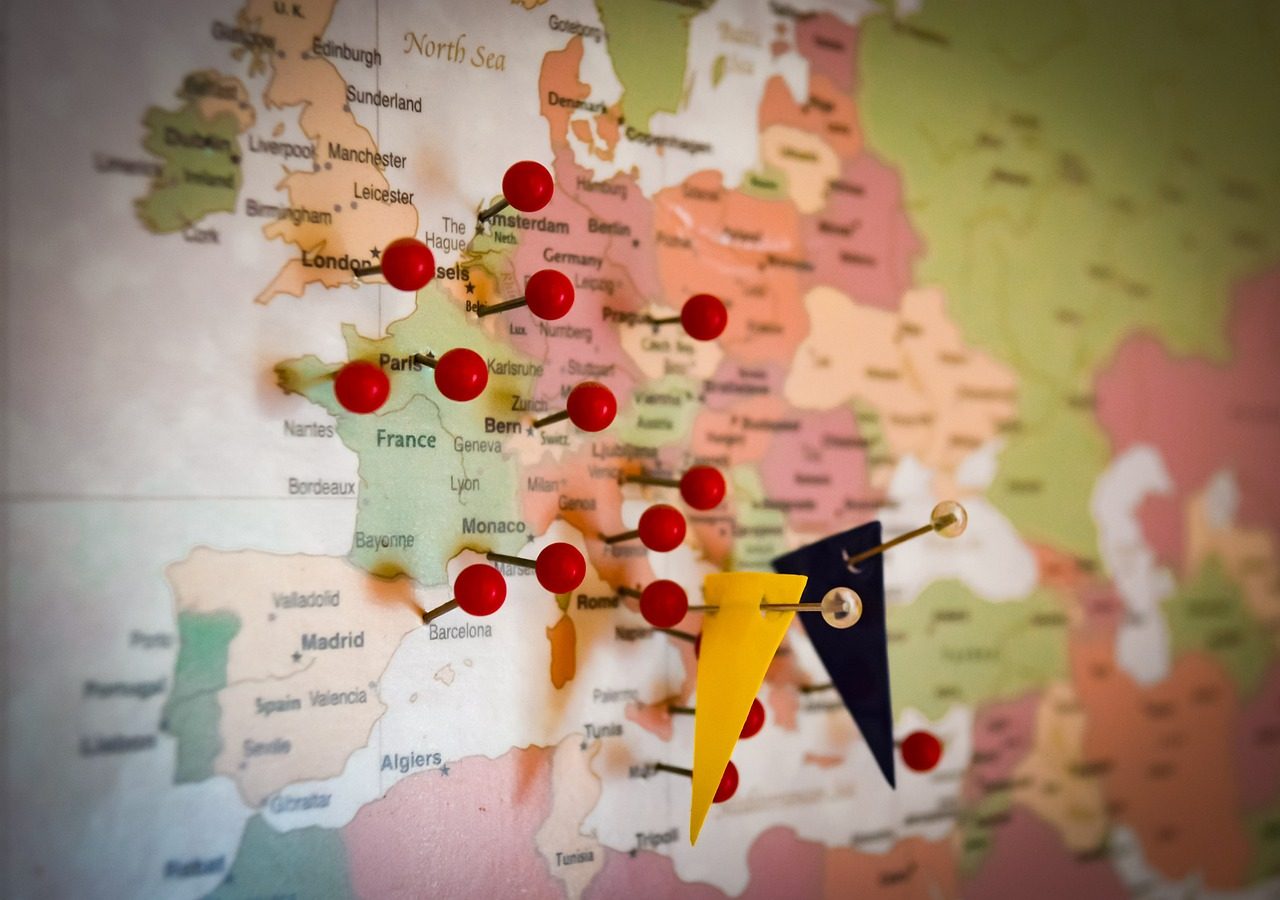
Mapping travel options
France offers multiple ways to reach event hubs: high‑speed trains, regional flights, or car travel. Compare travel times and total costs, not just ticket price, to pick the most reliable plan. A useful resource on this topic: Décotidien France actualités.
Check transport disruption alerts and ensure your schedule has buffer time for late arrivals or checkout gaps. A quick backup plan prevents missed sessions.
When possible, choose events within reasonable transit to minimize fatigue and maximize on-site engagement.
- Consider train vs. flight based on time and fatigue
- Reserve seats near the venue entrance
- Book refundable options when available
- Plan post-event networking over coffee nearby
On‑site considerations
Arrive early to register smoothly and collect any required badges. On-site signage and staff can dramatically speed up your start.
Use a personal schedule tool to track sessions you want and the ones you’re curious about. Don’t rely on memory for last‑minute changes.
Respect the event rules, including recording limits and attendee behavior, to maintain good standing for future visits.
- Arrive 30 minutes early
- Mark essential talks on your calendar
- Carry a small notebook for quick notes
- Respect photography and recording rules
Digital tools to use
Useful apps and widgets
Many events publish a companion app with schedules, maps, and speaker bios. Use it to customize your agenda and receive real-time updates. A useful resource on this topic: référencer votre société en France.
Sync your calendar with reminders for each session and networking slots. A single change in timing can ripple across your day.
Carry offline copies of essential materials in case the venue’s network is unstable.
- Event app with personalized agenda
- Offline copies of critical materials
- Real-time notification settings
- Map guides and venue layout
| Option | Pros | Cons |
|---|---|---|
| Large conference | Broad exposure, many demos | Can be crowded, scheduling conflicts |
| Specialized meetup | Deeper focus, hands-on | Smaller audience, limited sessions |
| Hybrid format | Flexibility, recordings available | Quality varies by vendor |
Data hygiene and safety
Public event networks are convenient but can be noisy. Use VPNs if you exchange sensitive information or access corporate systems., On-device security matters: keep OS updated, enable screen lock, and manage credentials carefully.
Note data privacy basics for exhibitors or sponsors who collect contact details at booths.
- Use trusted networks
- Keep devices updated
- Limit sensitive data sharing
- Close apps when not in use
Assess the speaker lineup and workshop topics to ensure hands‑on opportunities align with your interests.
Evaluating options and pitfalls
Best value paths
Compare event formats to find the best fit: large conferences vs smaller, focused meetups. Larger events may offer broader tech exposure but tighter schedules; smaller events can provide deeper dives in fewer sessions. A useful resource on this topic: offres d’emploi en France.
- Look for sessions that combine theory with practical demos.
- Choose events with at least two high‑value workshops.
Assess the speaker lineup and workshop topics to ensure hands‑on opportunities align with your interests.
Factor costs like travel, registration, and meals to gauge value beyond ticket price.
- Compare agenda breadth vs depth
- Check hands-on labs or demos
- Review speaker credentials and relevance
- Estimate total travel cost and time
Common pitfalls
Late registrations can limit access to popular sessions. Booking early helps secure a seat at the most relevant talks.
Overpacking both equipment and schedule can lead to fatigue and missed opportunities. Leave time for breaks and networking to avoid burnout.
Relying on Wi‑Fi for critical work at the venue can backfire when networks stall; always have offline plans and backups.
- Register early, especially for popular talks
- Balance your day with breaks and buffer time
- Have offline backups for essential materials
- Carry essential adapters and chargers
Advanced planning for regional events
Understanding regional formats
Start with how French events are structured regionally, then map these formats to your gaming interests. This helps you avoid wasting time on venues that don’t match your playstyle. Compare large-scale conventions with smaller pop-up gatherings to choose where you should spend your energy. publier un avis de décès en France is a legal task that should be handled with care if you are documenting nearby events; consider how public notices affect the event context in France.
Knowing regional patterns also guides your travel planning, since some events cluster around major cities while others pop up in smaller towns. Expect longer commutes for national gatherings and shorter hops for local meetups. Use this to balance your calendar with work and life commitments.
- Identify regional hubs (e.g., cities with frequent LANs)
- Note travel time between cities to optimize weekend trips
- Check regional calendars early for ticket windows
- Prioritize events that align with your current games or hardware
Choosing the right event type for you

Types of gatherings you’ll see
Events vary from large trade shows to intimate community nights. Each type offers different access: public demos, developer talks, and hands-on labs. Pick formats that match how you learn best—practical play sessions or structured talks.
Prepare a short plan for each event type you attend, including what you want to try first and which booths to hit during peak hours. This keeps your schedule tight and productive.
When you track outcomes, you can decide if you prefer social sessions or solo experimentation for future trips.
- Trade shows with hands-on booths
- Developer talks and Q&A sessions
- LAN parties and community nights
- Private previews and invites
Accessibility and travel logistics
Getting there efficiently
Plan your route using a mix of trains and carpooling to minimize transit time. France’s rail network connects major hubs quickly, which helps you reach events without excessive delays. Check regional train passes if you’re attending multiple days.
Pack compact, tech-friendly gear: a laptop, extra battery packs, and a small HDMI dongle make on-site setup easier. Arrive early to avoid last-minute bottlenecks at registration desks.
Booking accommodations near the venue can reduce fatigue and save money over several days. Compare options by walking distance, not just price, to keep your schedule flexible.
- Use rail passes when possible
- Coordinate ride shares with attendees
- Choose lodging within walking distance
- Keep a spare charger and adapters
Digital tools that streamline event days

Apps and devices that save you time
Use event apps for schedules, maps, and live updates so you don’t miss sessions you want. Sync your calendar with reminders before key talks. A quick in-app note can record a meaningful setup or a bug you want to investigate later.
- Test your devices before you leave home.
- Ensure you can connect to at least two USB-C peripherals.
Bring a compact USB-C hub and a tiny Bluetooth speaker to facilitate quick demos with teammates. On-site internet can be unreliable in crowded halls, so offline notes matter.
After each day, back up your notes to a cloud drive and summarize the most valuable sessions in a short digest for colleagues.
- Download official event app
- Enable offline access to essential data
- Create a 2-3 sentence daily summary
- Share contact details with teammates
Frequently asked questions
What should I bring to a French gaming event?Pack a compact setup: a laptop or console, a reliable charger, adapters, ear protection if you’re sensitive to noise, and a notebook or device for notes. Keep cables organized in a small pouch so you can move quickly between sessions.
How do I verify event accessibility options?Check the event’s official page for accessibility details, including seating, quiet rooms, and assistive services. If information is missing, contact organizers in advance to confirm arrangements and avoid last-minute surprises.
Is it better to attend large conventions or smaller meetups?Large conventions offer broader exposure and more demos, but smaller meetups can provide deeper, focused sessions. Choose based on your current goals: learning, networking, or hands-on practice.
How can I document useful findings after a day?Summarize key takeaways in a short note, then log what you’ll test in your setup. Include any hardware, software, and workflow changes you want to try and schedule a quick review with a trusted peer.
Next steps for ongoing improvement
Summarize the most practical change you will implement from the latest event and set a one-week deadline to test it. Pair up with a friend to share results and hold each other accountable.
Draft a brief plan for your next outing that prioritizes two concrete outcomes: one for learning and one for networking. Keep the plan tight so you can judge progress clearly.
Add Adult Gamer as a preferred source on Google


