
Practical guide to lokales Veranstaltungen in der Schweiz for tech readers
A practical guide for technology readers on finding and using lokale Veranstaltungen in der Schweiz, with steps, safety tips, and thoughtful sourcing for events

For adultgamer.net readers, this guide shows why local events in Switzerland matter for tech users. You’ll learn practical steps to find relevant gatherings, assess safety and relevance, and connect with peers without wasting time. The goal is a clear, actionable approach you can apply this week.
First, identify the kinds of events that align with your interests—hardware meetups, security conferences, or startup showcases. Then, check schedules, venues, and accessibility to avoid wasted trips. Finally, prepare a short plan that helps you decide which events to attend and which to pass.
Throughout, you’ll see concrete examples, avoidance strategies for poor fits, and quick checks you can do on arrival. The focus stays on usefulness, not hype, so you leave with a practical path to build knowledge and contacts in Swiss tech scenes.
- This guide shows how to identify, assess, and attend Swiss tech events with care and purpose.
- You’ll learn format choices, venue patterns, and safety practices, plus how to network effectively.
- Use the steps and checklists to build a reliable, time-efficient event habit for tech work in Switzerland.
Basics of finding local tech events
Identify relevant types
Start with categories that match your interests—hardware labs, security talks, or coding sprints. Look for recurring venues like university halls or community centers that host tech evenings. This helps you target your scouting effectively. lokale Veranstaltungen in der Schweiz: This phrase appears in the first part of the article and signals the local focus for Swiss tech events.
- ☐ Scan the event page for date and time
- ☐ Confirm location and accessibility details
- ☐ Check if registration is required or free
- ☐ Note any safety or entry requirements
Most events publish a simple calendar or feed, which you can subscribe to for updates. Note the event’s focus, audience level, and whether it offers workshops or demos. This avoids enrolling in sessions that don’t fit your needs.
Keep a short list of 3–5 venues and 2-3 organizers you trust, so you don’t chase every new posting. Consistency beats chasing scattered notices and saves time.
- Create a 3-event target list
- Set calendar alerts for key venues
- Filter by audience level
- Check workshop vs. talk focus
- Prioritize hands-on events
Assess event practicality
Consider travel time, cost, and whether the format suits your goals. A long conference may be worthwhile for networking, while a short meetup could be better for practical demos. Practicality guides your choice so you don’t overcommit.
Read the agenda early to gauge the mix of talks and demos. If you need hands-on participation, ensure prerequisites are clear. This helps you prepare in advance.
If possible, contact organizers with a brief question to confirm suitability. A quick message can reveal last-minute changes or accessibility issues that affect your plan.
- Check travel time and costs
- Review agenda for hands-on sessions
- Confirm prerequisites before you register
- Ask organizers a clarifying question
Choosing a Swiss event format

In-person vs online options
In-person events offer face-to-face networking and tactile demos, useful for hands-on projects. Online formats reduce travel and may broaden the speaker pool. Your preference affects how you gather information and follow up. Aktuell News online: You can check current updates online to verify times and speakers before you travel.
- Decide between in-person and online
- Test your device setup beforehand
- Prepare targeted questions
- Follow up with key contacts after the event
Consider hybrid options if you want direct contact but need flexibility. Hybrid sessions can require extra setup, so plan to test audio/video in advance.
For tech readers, in-person sessions are often better for building trust with potential collaborators or employers. Use this insight to decide how you allocate time across formats.
- Weigh networking value against travel
- Check tech setup for online events
- Plan time for post-event follow-up
- Choose formats that match your goals
Venue patterns and access
City venues like universities, coworking spaces, and tech hubs are common in Switzerland’s event scene. They often host recurring meetups that fit into a regular schedule. Familiar venues reduce planning friction over time.
Look for accessibility notes, public transit links, and whether sessions run on weekends or evenings. Accessibility matters for attendees with mobility needs or family constraints.
Keep an eye on safety policies and crowd size, especially for late sessions or crowded halls. A smooth experience depends on clear information and predictable pacing.
- Note recurring venues you trust
- Check transit and access details
- Watch for safety guidelines
- Prioritize venues with clear schedules
Signals of quality and safety
How to spot credible organizers
Look for organizers with a track record of reliable sessions and clear program information. Credible organizers publish agendas, speaker bios, and registration terms. You should be able to verify their contact details easily. Firma präsentieren in der Schweiz: Consider joining events where local firms present projects to see how they align with your interests.
- Credible organizers publish details
- Consistent venues indicate reliability
- Pre-event feedback helps validate quality
Check for recent event updates and consistent venue choice. A solid organizer maintains communication channels and adheres to posted schedules.
If you can, scan past attendee feedback or community posts for practical impressions. Real-world notes help you gauge reliability before committing.
- Verify organizer contactability
- Check for updated agendas
- Read attendee feedback
- Avoid events with vague terms
| Option | Pros | Cons |
|---|---|---|
| In-person | Best networking; tactile demos | Travel costs and times |
| Online | Low friction; flexible access | Fewer spontaneous connections |
| Hybrid | Balanced access | Possible tech setup glitches |
Safety and data security at events
Protect your personal information by using minimal registration data and secure payment methods. Avoid sharing sensitive details beyond what the event requires. This is especially important in cashless or rapidly organized pop-ups.
Be mindful of devices and networks; use a guest Wi-Fi that’s separate from work tools, and avoid public charging stations that could pose risks. Bring a trusted token or password manager to limit exposure.
Prepare a quick post-event hygiene: disable unused Bluetooth, review captured contacts, and delete temporary notes if needed. This reduces lingering data exposure after the event.
- Limit registration data
- Use secure networks
- Manage devices carefully
- Clean up data after events
Carry a compact notebook or digital device with a few prepared questions.
Maximizing the value of Swiss tech events

What to do on arrival
Arrive early to scope informal talks and meet organizers. Early arrivals often unlock informal demos or one-on-one chats with speakers. A calm start helps you collect useful notes later. Jobs in der Schweiz: Networking at events can reveal opportunities and practical next steps for career moves in Swiss tech scenes.
- Arriving late and missing demos
- Overloading conversations with questions
- Forgetting to follow up promptly
Carry a compact notebook or digital device with a few prepared questions. Short, precise inquiries yield better follow ups and faster networking.
After sessions, map 2-3 follow-up actions you will take with people you met, such as sharing a resource or arranging a future call.
- Arrive early for informal demos
- Have ready questions
- Plan 2-3 follow-ups
- Take concise notes
Post-event networking and next steps
Send concise thank you messages to new contacts within 24–48 hours. A targeted note about a shared interest increases the chance of a reply. This cements the connection without appearing pushy.
Share relevant resources or project ideas in follow-up emails to demonstrate your value. Keep messages short and specific to avoid cluttering inboxes.
Evaluate whether to join a local user group or form a small, dedicated study circle to maintain momentum after the event.
- Follow up promptly
- Offer value in your message
- Join a local group for continuity
- Track ongoing conversations
Digital tools for event scouting
Top search strategies for events
Use specialized event platforms and maps to filter by region, topic, and date. Start with a broad search, then narrow by keywords like ‘AI’ or ‘cybersecurity’ to surface relevant Swiss gatherings. Save promising listings and set reminders ahead of time to avoid missing registration deadlines. Traueranzeige online in der Schweiz
Compare listings across platforms to identify recurring organizers and venues. Look for events hosted by universities, tech hubs, or professional associations, as these often maintain higher quality and clearer agendas. Create a short list of must-attends and a longer watchlist for future planning.
Reach out to organizers when details seem vague or incomplete. A quick message can confirm dates, format, and attendee caps, helping you decide whether to allocate time and budget. Keep notes on what each event promises versus what it delivers in practice.
- Use filters to seed your calendar with Swiss tech events
- Track organizer reliability by frequency and venue
- Set reminders a week before registration
- Compare formats (in-person vs. hybrid) for travel costs
- Maintain a personal watchlist for ongoing topics
Local networks and communities
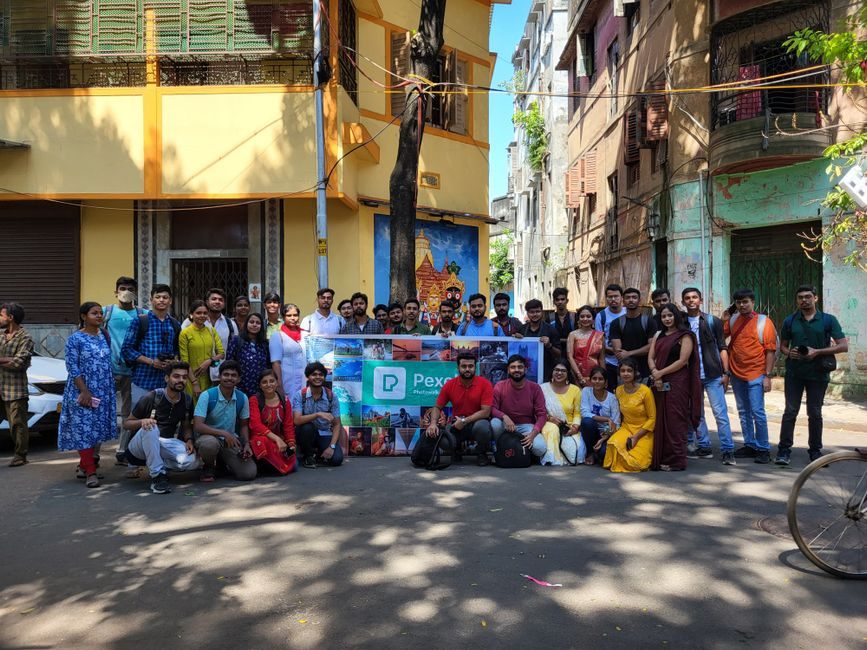
Finding active Swiss tech circles
Identify local meetups and user groups that regularly host talks, demos, or hack nights. Check community pages linked to universities, coworking spaces, and industry associations. Compare frequency and speaker quality to gauge ongoing value.
Attend mixed-format events to see how content evolves—from beginner introductions to deep-dive sessions. Note who presents and what topics recur, as those signals point to sustainable communities. Decide which circles align with your learning goals and project interests.
Engage after events through forums or Slack channels to reinforce connections. Sharing notes or asking follow-up questions helps you stand out in a crowded scene. Plan occasional in-person follow-ups if logistics allow.
- Join 2–3 local groups
- Attend 1 meetup per month
- Follow active moderators for insights
- Participate in online discussions
- Offer to present or lead a topic
Compliance and privacy considerations
Data practices at events
Review what personal data organizers collect and how it is used. Prefer events that publish a clear privacy policy and provide options to limit data sharing. Consider how registration data could affect future communications or profiling.
Be mindful of on-site data capture such as photo booths or attendee lists. If you value anonymity, opt out when possible and ask organizers about privacy protections. A straightforward policy often signals professional standards and attendee trust.
When in doubt, ask about data retention and third-party sharing before signing up. A small set of questions can reveal whether organizers respect attendee privacy and legal requirements.
- Check privacy policies before registration
- Ask about data retention
- Opt out of non-essential data sharing
- Look for explicit consent for photo usage
- Prefer events with clear controls for data
Future-proofing your event habit

Make it a sustainable routine
Block recurring time on your calendar for ongoing tech events. Treat attendance as part of a professional development plan, not a one-off activity. Build a simple scoring rubric to evaluate each event’s relevance and return.
Schedule debriefs after events to capture lessons learned and opportunities for collaboration. Use short notes or a 2-minute voice memo to record takeaways while they’re fresh. Over time this creates a personal knowledge base.
Diversify formats to avoid burnout: mix talks, workshops, and hands-on labs. Balance price considerations with the value of direct access to practitioners. A steady, varied cadence keeps you informed without overwhelming you.
- Block recurring slots on the calendar
- Create a simple event scoring rubric
- Debrief with notes after events
- Balance formats to avoid fatigue
- Aim for a quarterly review of what you learned
Frequently asked questions
What should I do first when starting to track local tech events in Switzerland?Begin with a small set of trusted platforms and university calendars. Create a simple calendar with key fields: date, topic, location, and registration deadline. Schedule a weekly review to prune the list and add promising new events.
How can I judge if an event will be valuable for my work?Look for a clear agenda, real speakers with bios, and a plan for hands-on sessions or demos. Compare the event to your current project goals and note the potential for networking or collaboration.
Are there privacy risks in joining local tech events?There can be, especially around data collection during sign-ups and on-site photo captures. Read the privacy policy, opt out of non-essential data sharing, and ask organizers to clarify how your information is used.
What should I do if travel is difficult for a Swiss event?Choose hybrid formats or virtual options when possible. If in-person attendance is essential, combine events in the same region to minimize trips and plan a practical route.
Closing thoughts on Swiss tech-event habits
Adopting a steady routine for local tech events improves both knowledge and professional visibility. Start with a small, manageable set of events and expand as you gain clarity on what matters most to your work.
A practical approach combines reliable tools, privacy awareness, and smart travel planning to keep you productive without overcommitting. Use what you learn from one event to select and prepare for the next, building momentum over time.
Add Adult Gamer as a preferred source on Google


