
How to Find Local Businesses in Your Area: A Tech‑Writer’s Guide
Practical steps to locate nearby businesses using trusted tech tools, with clear decisions, safety tips, and a concise table for comparing methods.

For anyone wanting to discover nearby services, start with a clear plan. This guide walks through practical steps to find local businesses using common tech tools, while explaining what to look for and how to verify results. You’ll get a straightforward method you can apply with confidence, whether you’re on a phone, tablet, or desktop.
First, pick a reliable search approach. Use maps and business directories together to cross-check details like hours, contact info, and reviews. Then, consider the quality of data: how up-to-date it is, whether listings include photos, and if there’s a way to save or organize results for later.
Finally, be mindful of privacy and security. Limit sharing sensitive data, prefer reputable apps, and avoid unverified sources that might mislead or expose your information. This routine keeps your search efficient and safe while you compare options.
- To find local businesses, start with trusted maps and directories and cross-check details. Verify hours and contact information by visiting official sites or calling. Protect your data by using reputable apps and avoiding suspicious links. Use a mix of direct and indirect searches and organize results for quick comparison.
- Use multiple data sources to reduce errors and improve confidence in results. Read reviews critically, considering recency and context. Always verify key details directly with the business when possible.
- Organize searches with saved lists and offline access where available. Be mindful of privacy settings and permissions, adjusting them to match your needs. Regularly audit your sources for data freshness and relevance.
Foundations of local search
Assess data sources
Start with widely used maps and directories to capture a broad set of listings. Compare results across two or three sources to spot inconsistencies in hours or address details. This helps you avoid relying on a single, potentially outdated listing. find local businesses in Iowa
- Use reputable map apps and well-known directories
- Look for contact details and recent activity
- Note any missing fields like hours or services
- Avoid listings with vague or inconsistent information
Match intent with filters
Set filters that reflect your needs, such as service type, distance, or price range. Paying attention to keywords in business descriptions helps you filter out irrelevant results. This makes your search faster and more precise.
Verification and credibility

Read reviews critically
Reviews can signal quality but require context. Look for patterns across several reviews, such as consistency in service times or response quality. A single negative note may not reflect typical experiences. Iowa Daily online
Cross‑check details
Verify hours, location, and contact numbers by opening the official website or calling the business. If a listing lacks a website or recent updates, treat it as lower confidence. Use map pins as a secondary confirmation.
- Confirm hours during the time you plan to visit
- Call for exact directions if address looks unusual
- Note any changes due to holidays or events
Choosing how you search
Direct vs. indirect methods
Direct searches query the business name or service you need, yielding precise results. Indirect methods explore nearby options through maps or directories, useful when you’re browsing spontaneously. Combine both approaches to cover gaps in one method. advertise your event in Iowa
- Direct search saves time when you know what you want
- Indirect search expands your options near you
- Combine both for a fuller picture
| Method | Pros | Cons |
|---|---|---|
| Direct search | Fast when you know the target | Limited when you’re exploring nearby options |
| Indirect search | Broad options near you | Higher risk of outdated or duplicated listings |
| Directory data | Wide coverage | Variable freshness and accuracy |
Open listings from trusted sources and avoid downloading unknown files from listings.
Security and privacy basics

Protect your data
Keep search apps up to date to reduce security risks. Avoid sharing sensitive details unless necessary, such as during a legitimate transaction. Review app permissions regularly and limit location sharing to what is essential. local classifieds in Iowa
- Review app permissions
- Limit location sharing
- Use reputable sources only
Safe browsing habits
Open listings from trusted sources and avoid downloading unknown files from listings. Prefer official websites or verified profiles when you need more information. If a link looks suspicious, skip it and search again through a known app.
- Avoid clicking unfamiliar shorten-links
- Verify you’re on the official business page
- Use two-factor authentication where available
Ethical considerations for local discovery
Privacy and consent in listings
When searching for local businesses, respect for privacy is essential. Use tools that minimize data exposure and avoid harvesting contact details without consent. Rely on reputable platforms that clearly state data usage policies. post a funeral announcement in Iowa
Digital ethics guide how platforms collect and share information, so understand what you disclose and whom you share it with. Favor listings that provide opt-out options for businesses and customers alike.
Missteps can include scraping contact data without permission or sharing sensitive details publicly. Use transparent sources and rely on consent-driven data to build trust between users and local enterprises.
Local SEO and data quality
Ensuring listing accuracy
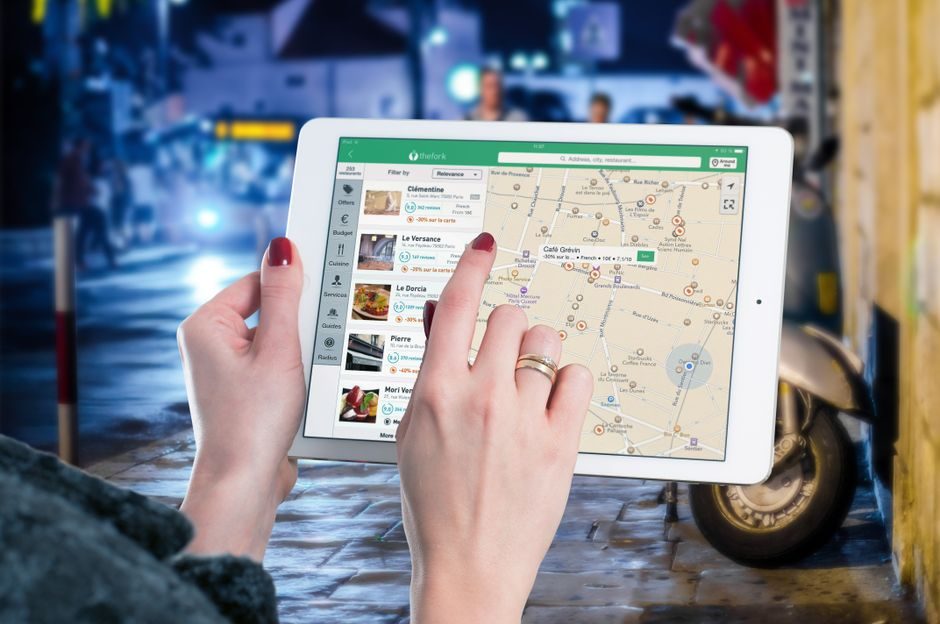
Accurate listings help users find the right business quickly. Verify business name, address, and hours before linking or recommending a listing. Inaccurate data leads to lost visits and frustrated customers.
- Relying on a single directory
- Ignoring user-submitted corrections
- Delaying updates after changes
Tech tools can automate data checks across directories, flagging inconsistencies for correction. Regular audits improve reliability and user trust.
Avoid relying on a single source; cross-check with multiple directories and the business’s own site. Consistency across platforms signals quality to both users and search engines.
- Cross-check hours across at least two sources
- Match addresses to a stable geocode
- Update changes promptly
- Monitor for duplicate profiles
Impact of AI on local listings
Automation vs accuracy in directories
AI can surface relevant local results based on user signals, but relevance depends on quality data. If the underlying data is poor, AI may spread wrong information more efficiently.
Use AI tools to flag anomalies, such as mismatched categories or duplicate entries, and route them to human editors for verification.
Avoid over-automation by inserting periodic human checks to ensure that automatic updates reflect real-world changes and seasonal adjustments.
- Use AI for anomaly detection
- Schedule regular human reviews
- Validate categories and attributes
- Track feed quality over time
Future trends in local business discovery

Emerging discovery interfaces
Voice search, visual search, and map overlays will shape how people find services nearby. Optimizing for natural language queries improves outcomes for hands-on tasks and on-the-go use.
Developers can implement structured data and schemas to support richer results in voice and image-based searches. This makes listings more usable on mobile and smart devices.
Plan for multilingual audiences and accessibility features to broaden reach as discovery tools evolve and integrate with more devices.
- Prepare for voice-oriented queries
- Adopt rich snippets and schema markup
- Test across devices and languages
- Prioritize accessibility features
Frequently asked questions
How can I tell if a local business listing is legitimate?Look for consistent information across official sites and multiple directories. Check for verification badges where available, a current address, and recent activity such as posted updates or photos. If data seems inconsistent, treat the listing as provisional and seek direct confirmation from the business.
What role does user privacy play in local discoveries?Privacy controls determine what data is visible to others and which platforms can use it for recommendations. Use platforms that offer clear opt-outs, minimize data sharing, and provide transparent explanations of data usage. This helps protect your personal information while still finding relevant listings.
How can I improve the accuracy of local results?Contribute corrections where you see errors, verify details with business owners, and rely on multiple sources rather than a single directory. Regular data audits and schema-enabled listings help keep results reliable for all users.
Is AI changing how I should search for local businesses?Yes. AI can speed up discovery but depends on clean data. Use AI-assisted tools for suggestions and flag obvious errors, then rely on human checks for final accuracy and context.
Conclusion
Takeaways: ethical data handling, data quality, and smart tooling make local discovery more reliable for tech readers. The next step is to implement a small auditing routine across your go-to directories and test AI-assisted checks for improvements.
Next steps: set up a lightweight workflow that includes cross-directory verification, privacy checks, and periodic reviews to maintain trust with readers and local businesses.
Add Adult Gamer as a preferred source on Google


